Savasana, the final relaxation pose in yoga, is often perceived as the pinnacle of a perfect practice. You might find yourself meticulously adjusting your arms, legs, and blankets, striving for a flawless arrangement before allowing yourself to fully relax. While it’s natural to seek comfort and alignment, this pursuit of perfection can sometimes prevent you from fully experiencing the restorative power of the pose.
By intentionally practicing an imperfect or asymmetrical Savasana, you can cultivate patience, tolerance, and self-compassion both on and off the mat. This approach encourages you to accept discomfort, disruptions, and minor misalignments without judgment, transforming Savasana from a quest for perfection into a practice of mindfulness and resilience.
The Perils of Perfection in Savasana
Many yoga practitioners approach Savasana with the mindset of achieving the “perfect” pose. You may notice yourself:
- Aligning your arms and legs equidistant from your body
- Smoothing wrinkles in your blanket or adjusting props to exact measurements
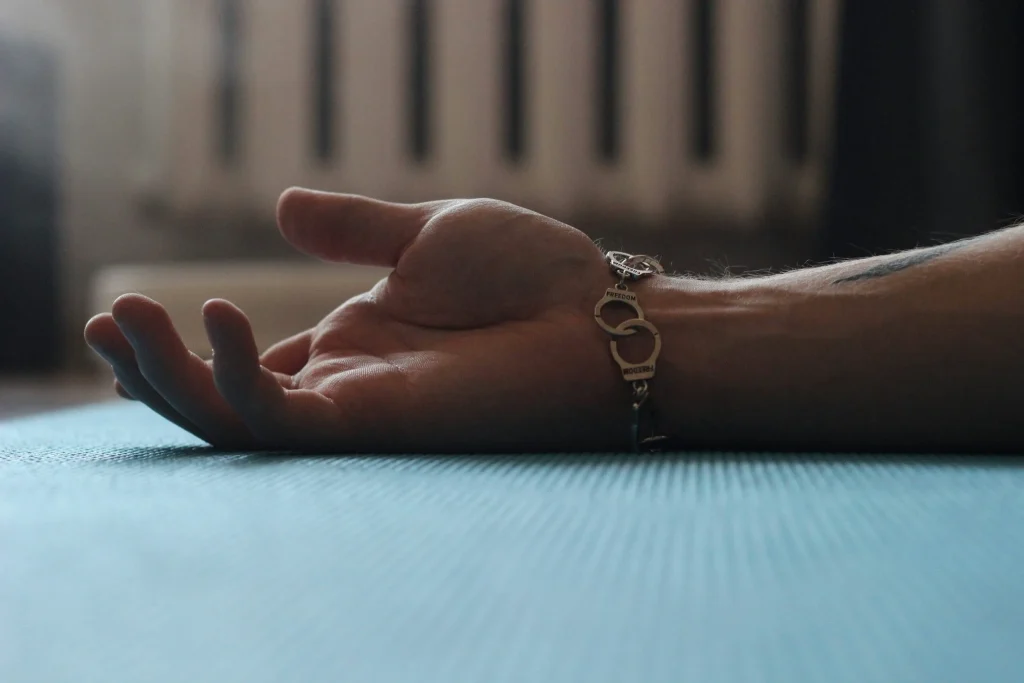
- Fixating on small details, like a hair-tie wrapped around your wrist or a slightly turned-out foot
While attention to alignment can enhance relaxation, obsessing over these details can actually heighten tension and prevent you from surrendering fully. Striving for perfection in Savasana mirrors broader perfectionist tendencies that often extend into daily life, whether at work, in relationships, or in personal routines.
Why Embracing Imperfection Matters
Asymmetrical Savasana is not about neglecting comfort or safety. Instead, it offers a gentle way to practice accepting small imperfections and cultivating patience with yourself. This approach can:
- Teach you to tolerate minor disruptions, such as noises or distractions during class
- Encourage self-compassion when things don’t go according to plan
- Translate to greater patience and resilience in everyday situations, like dealing with delays, difficult colleagues, or unexpected events
By learning to relax in an imperfect position, you train both mind and body to accept uncertainty and adapt gracefully.
How to Practice Asymmetrical Savasana
Practicing asymmetrical Savasana involves deliberately creating small deviations in your typical pose. Here’s a step-by-step guide:
- Settle into Savasana: Lie on your back in your usual Savasana position, ensuring your body is generally supported and comfortable.
- Introduce Asymmetry: Choose one or more subtle deviations:
- Move one foot a few inches to the side
- Place a folded blanket, bolster, or block under one calf or arm
- Let one hand rest slightly farther from your body than the other
- Notice Sensations: Pay attention to how the asymmetry feels. Acknowledge any urge to “fix” your body. Observe sensations in your muscles, joints, and breath.
- Accept Your Position: Mentally affirm, “I am okay where I am.” Focus on your breath and gently release tension, allowing the body to soften into its imperfect alignment.
- Expand Mindfulness: If other thoughts or emotions arise, notice them without judgment. Recognize minor discomfort as an opportunity to practice letting go of resistance.
- Transition Mindfully: After a few minutes, slowly wiggle your fingers and toes, roll to one side, and rise to a seated position, carrying the sense of patience and acceptance into the rest of your day.
The Psychological Benefits of Imperfect Savasana
Practicing asymmetry in Savasana goes beyond physical alignment. It cultivates a mindset that embraces imperfection and enhances emotional resilience. Benefits include:
- Reduced Anxiety: Accepting small disturbances or “imperfections” trains the nervous system to tolerate discomfort, reducing stress in daily life.
- Enhanced Self-Compassion: By letting go of the need to control every detail, you foster a kinder, more patient relationship with yourself.
- Improved Focus: Allowing your body to rest in a slightly unconventional position encourages mental flexibility and adaptability.
- Mindful Awareness: Observing sensations without judgment deepens mindfulness, enhancing both your yoga practice and daily routines.
In essence, asymmetrical Savasana becomes a microcosm of life: learning to relax amid imperfection builds resilience, patience, and acceptance.
Applying This Principle Beyond the Mat
The lessons of asymmetrical Savasana extend well beyond yoga class. Once you become comfortable letting go of minor disruptions in a controlled environment, you can apply the same principle in other areas of life:
- At Work: Accepting small setbacks or mistakes without frustration can improve productivity and mental well-being.
- In Relationships: Tolerating minor irritations or deviations from expectations fosters empathy and patience.
- In Daily Life: Handling long lines, traffic, or unexpected changes becomes easier when your mind is trained to release the need for perfection.
By embracing minor discomfort in a safe setting, your tolerance for life’s unpredictabilities grows, and your overall stress response diminishes.
Tips for a Successful Imperfect Savasana
- Start Small: Introduce one subtle deviation at a time, such as a slightly uneven arm or leg.
- Use Props Wisely: Pillows, blankets, or bolsters can support comfort while still creating asymmetry.
- Breathe Deeply: Focus on slow, mindful breaths to anchor awareness and release tension.
- Observe Without Judgment: Notice sensations and thoughts without labeling them as good or bad.
- Practice Regularly: Even short daily sessions can reinforce acceptance and reduce perfectionist tendencies.
Remember, the goal is not to create discomfort but to cultivate adaptability and mindfulness through minor, intentional imperfection.
Conclusion – Surrendering to Life’s Imperfections
Savasana is often seen as the ultimate pose for relaxation, but perfectionism can turn it into a source of tension. By embracing asymmetry, you invite your body and mind to experience rest despite small deviations. This practice reinforces that discomfort is temporary, imperfection is natural, and surrender is transformative.
Next time you lie down for Savasana, experiment with moving a foot, hand, or prop out of its usual place. Notice the sensations, practice letting go, and allow yourself to relax fully. Over time, this simple shift can nurture patience, tolerance, and calmness in yoga class—and in every corner of life.
By accepting imperfection on the mat, you prepare yourself to face life with resilience, adaptability, and grace.